What does an eating disorder doctor do — and when should you see one?
An eating disorder doctor is a physician who cares for the medical side of recovery: diagnosing the illness, monitoring the body through treatment, and managing the complications that eating disorders can cause. This guide explains the physician’s role, the warning signs that call for medical care, and how to choose the right doctor — for yourself or someone you love.
Recovery takes a team. The doctor keeps it medically safe.
Effective eating disorder treatment usually involves three professionals working together — each answering a different question. Families are often surprised to learn that the physician’s role is distinct from therapy and nutrition counseling, and just as essential.
Eating Disorder Doctor
A physician who diagnoses the eating disorder, monitors vital signs and lab work, manages medical complications (heart, bones, hormones, digestion), oversees safe weight restoration, and prescribes medication when appropriate. The doctor determines whether outpatient care is medically safe or a higher level of care is needed — and navigates the return to school, sports, and exercise as recovery allows.
Therapist
A psychologist or licensed therapist who treats the thoughts, emotions, and behaviors driving the eating disorder — using evidence-based approaches such as CBT-E, DBT, or Family-Based Therapy (FBT) for adolescents.
Registered Dietitian
A dietitian who builds a realistic, individualized nutrition plan, supports regular eating patterns, and helps rebuild a peaceful relationship with food alongside the medical and therapeutic work.
Warning signs that call for a doctor
Eating disorders affect nearly every organ system, and many complications develop silently — which is why medical evaluation matters even when someone “looks fine.” These signs warrant a prompt appointment with a physician experienced in eating disorders. Parents may also find our guide for parents and our overview of warning signs in teenagers helpful.
- Rapid weight loss or weight fluctuation, at any body size
- Dizziness, fainting, or near-fainting episodes
- A slow or irregular heartbeat, chest pain, or palpitations
- Loss of menstrual periods (amenorrhea) or delayed puberty
- Frequent vomiting or laxative use and its complications
- Feeling cold, weak, or exhausted; hair thinning or hair loss
- Stress fractures or bone injuries in an active person or athlete
- Abnormal labs — electrolytes, blood sugar, thyroid, or blood counts
Your first appointment, step by step
A thorough, judgment-free history
A confidential conversation about eating patterns, weight history, physical symptoms, movement and exercise, and mental health — at a pace that respects how difficult these topics can be.
A focused medical evaluation
Vital signs (including orthostatic blood pressure and heart rate), a physical exam, and targeted lab work or an EKG when indicated — looking for the complications eating disorders can quietly cause.
A clear medical picture
An honest explanation of what the findings mean: what is medically stable, what needs close monitoring, and what level of care is safest right now.
A collaborative plan
A treatment plan built with the patient — and family, when appropriate — that coordinates with a therapist and dietitian, with medical follow-up at the frequency the situation calls for.
Medical care across the full spectrum of eating disorders
Anorexia Nervosa
Restriction and weight loss with serious medical risks — bradycardia, bone loss, hormonal suppression — that require ongoing physician monitoring during recovery.
Bulimia Nervosa
Binge-purge cycles that can silently disturb electrolytes and heart rhythm; medical care addresses these risks while therapy addresses the cycle itself.
Binge Eating Disorder
The most common eating disorder, treated medically with attention to the whole person — never with weight stigma or prescribed dieting.
ARFID
Avoidant/restrictive food intake disorder — severely limited eating without body-image concerns, often in younger patients.
Understanding ARFID →RED-S in Athletes
Relative Energy Deficiency in Sport — when under-fueling undermines an athlete's health and performance, affecting bones, hormones, and the heart.
About RED-S →OSFED & Atypical Presentations
Eating disorders that don't fit neatly into one diagnosis — including atypical anorexia — are just as serious and deserve the same complete medical care.
What to look for in an eating disorder doctor
Board certification and specialized training
Look for a physician who is board certified and has dedicated training in eating disorders — through adolescent medicine, internal medicine, or both. Eating disorder medicine is a niche; general familiarity is not the same as specialization.
Experience with your age group
Adolescents and adults present differently, medically and developmentally. A doctor trained across both — as adolescent medicine specialists are — can support patients as they grow through recovery.
A collaborative, team-based approach
Eating disorder recovery works best when the physician actively coordinates with the therapist and dietitian rather than working in isolation. Ask how the doctor communicates with the rest of the team.
A weight-inclusive philosophy
Eating disorders occur at every body size. A physician who practices from a Health At Every Size (HAES), non-dieting perspective treats the illness — not the body shape — and avoids reinforcing the disorder's own logic.
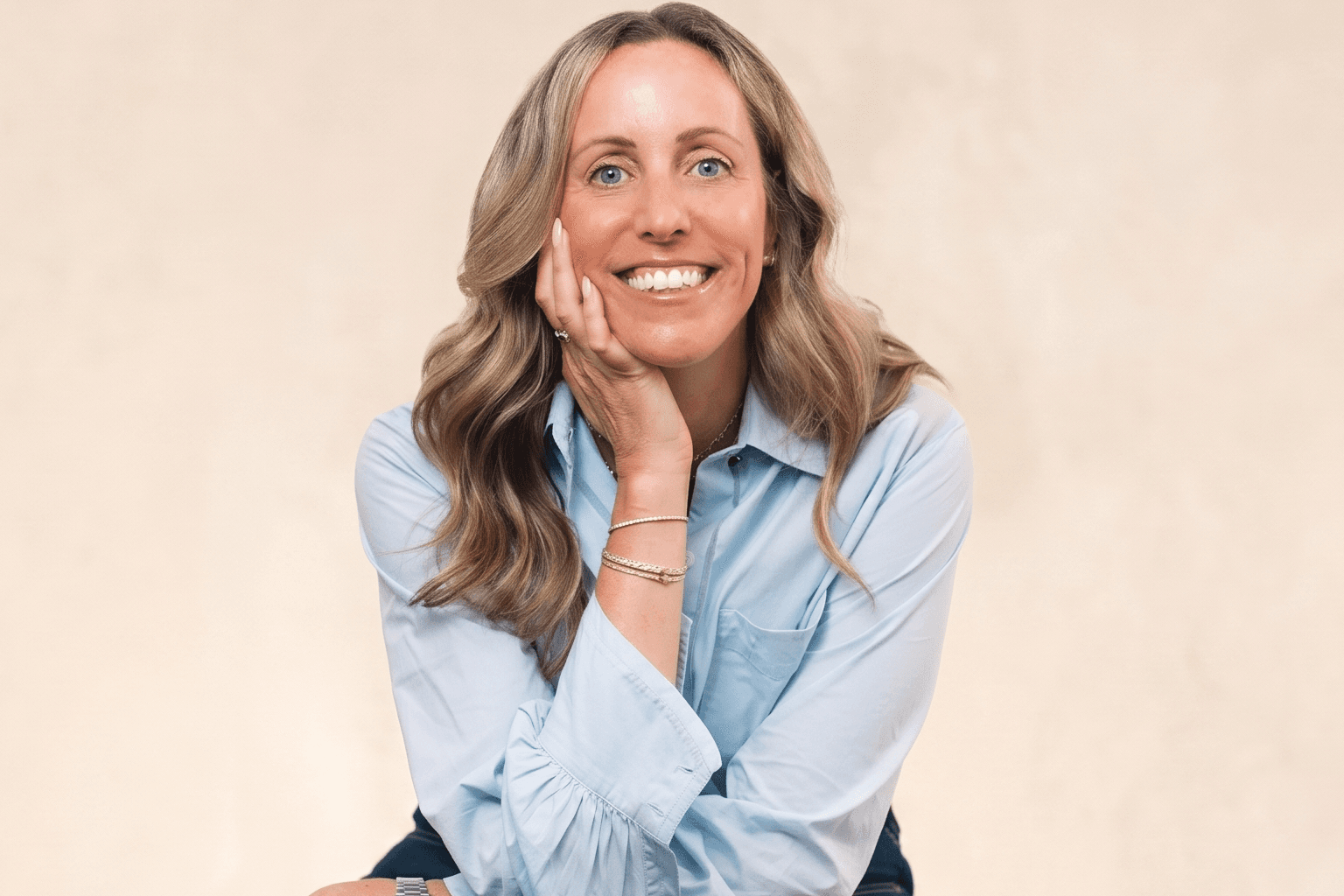
Meet Dr. Shelly Bar, M.D.
Dr. Bar is double board certified in Internal Medicine and Adolescent Medicine, with fellowship training at Stanford Children’s Health, where she also served as a Clinical Assistant Professor of Medicine. Her boutique Century City practice provides discreet, individualized medical care for adolescents and adults with eating disorders across Los Angeles — always in close collaboration with each patient’s therapist and dietitian, and from a weight-inclusive, non-dieting (HAES) perspective.
Frequently asked questions
- What kind of doctor treats eating disorders?
- Physicians who specialize in eating disorders typically come from internal medicine, adolescent medicine, family medicine, or pediatrics, with additional focused training in eating disorder medicine. Psychiatrists also treat eating disorders, focusing on the mental-health side. The medical doctor's role is diagnosing the disorder, monitoring physical health, managing complications, and guiding safe nutritional rehabilitation.
- Do I need to see a doctor if I already have a therapist?
- Yes — therapy and medical care answer different questions. Eating disorders are the deadliest category of mental illness precisely because of their physical complications, many of which cause no symptoms until they are serious. A physician monitors heart function, electrolytes, bone health, and growth (in adolescents), and determines whether outpatient treatment remains medically safe.
- How is an eating disorder doctor different from a dietitian?
- A dietitian plans and supports day-to-day nutrition; a physician evaluates and treats the medical consequences of the eating disorder — ordering labs and EKGs, managing complications, prescribing medication when needed, and deciding the medically appropriate level of care. Most patients benefit from both, working together.
- When should someone see an eating disorder doctor?
- As early as possible. Warning signs that call for prompt medical evaluation include rapid weight change, fainting or dizziness, a slow or irregular heartbeat, loss of menstrual periods, frequent vomiting, and declining growth in a child or teen. Early medical involvement is one of the strongest predictors of full recovery — but it is never too late to start.
- Can someone have a serious eating disorder at a normal or higher weight?
- Absolutely. Most people with eating disorders are not underweight, and the medical complications of restriction, purging, and rapid weight loss occur at every body size. Atypical anorexia, for example, carries many of the same medical risks as anorexia nervosa. Weight alone never rules an eating disorder in or out.
- When can someone return to sports, exercise, or school during recovery?
- This is one of the most important calls the eating disorder doctor makes, and it is individualized rather than calendar-based. The physician weighs vital signs, weight restoration progress, labs, bone health, and hormonal recovery to guide a gradual, monitored return — because resuming exercise too early can stall weight restoration and prolong the illness, while a well-timed return supports motivation and normal life. The same medical judgment applies to returning to school or college, where structure, meal support, and follow-up need to be in place first.Rebuilding athletic endurance after recovery →Recovery contracts for the college transition →
- Does Dr. Bar treat both adolescents and adults?
- Yes. Dr. Bar is double board certified in Internal Medicine and Adolescent Medicine, and cares for both teens and adults at her Los Angeles practice — with family involvement, including Family-Based Therapy (FBT) support, when treating adolescents.